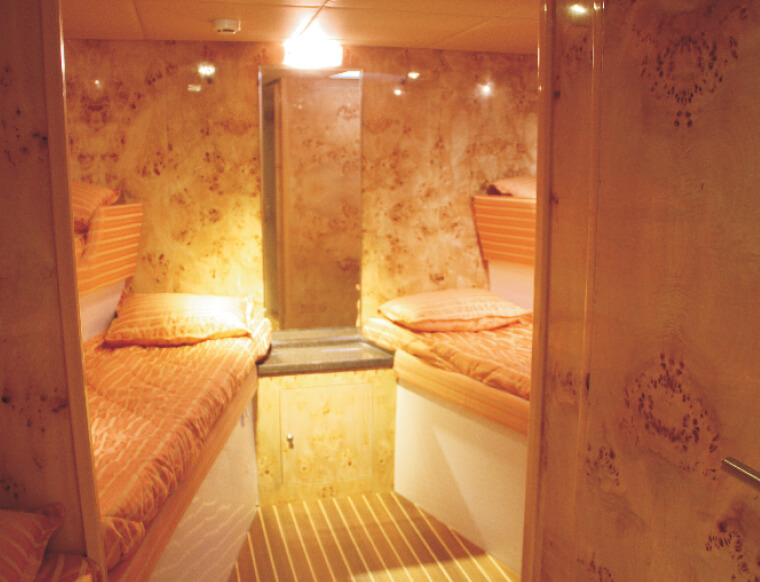
BOAT MAINTENANCE – BASICS FOR BEGINNERS

BOAT MAINTENANCE – BASICS FOR BEGINNERS

When you own a boat it becomes your primary responsibility to care for it. Whether or not the boats are used frequently does not provide an excuse for not maintaining the boat. Maintenance of a boat is not a Himalayan task, however major repair works should be done by professionals only. In this blog, we will read about the basic requirements for boat maintenance.

The Need for Regular Maintenance

Boats are used widely in different forms like kayaks, yachts, and canoes for recreational and commercial activities. Military and armed forces also use boats. However, even though these boats are efficient, they require regular check-ups to ensure longevity. 

Regular maintenance ensures the optimum performance of your boat and helps enhance its speed, power, and consistency. Even if the boat’s materials are resistant to chemicals and durable, poor maintenance or negligence in maintenance can cost your safety along with fuel economy. 

Therefore, it is essential to make a checklist of the basic maintenance tasks, which includes engine checks, oil checks, hull fittings, leak checks, electrical fittings, propeller and impeller inspection, and corrosion control.

Consequences and Problems of Improper Maintenance

As a boat owner, you must be aware of the essential maintenance procedures to avoid boat mishaps. However, improper care and negligence towards your boat’s upkeep can lead to severe consequences –

Short Circuits

Electrical shocks, short circuits, and fires on the boat can have serious repercussions, especially when the boat is on water. Short circuits can lead to heat build-up and insulation melting, causing fires and electrical damage. It can also drain the battery even when not in use, eroding the boat’s hull fittings, fasteners, rudders, shafts, and drives.

Carbon Monoxide Poisoning

Carbon monoxide (CO) is present in the boat’s generator exhaust on the deck, inside the cabin, or in the surrounding water. Since the gas is tasteless and odourless, it is difficult to detect a leak. The symptoms of its poisoning, like dizziness, nausea, headache, and weakness, are often confused with sea sickness. However, these symptoms can sometimes escalate to loss of muscle control, blurred vision, extreme headache, and convulsions, leading to death.

Engine Breakdown

Even though a common reason for engine breakdown is a lack of gas, it can also occur due to negligence in maintenance. Loading the wrong fuel or leaving the fuel tank near-empty for extended periods can cause condensation in the gas. The motor can lose power if debris stuck in fuel filters is not replaced or cleaned. 

Signal and Communication System Breakdown

Radio, radar, electronic systems, and satellite navigation enable accurate signalling and communication in times of distress. These systems detect the position of other vessels and send distress signals to rescue services in emergencies. A breakdown in one of these systems can be a high threat if the ships or boats cannot contact for help leading to accidents and loss of lives.

Risk for the Owners and End-users

Avoiding maintenance affects the boat, its owner, and its passengers. Negligence can lead to life-threatening accidents and the destruction of the vessel. Here are some of the additional risks 

Safety of Life

Improper maintenance or negligence in maintenance can cost lives. Human error and negligence are common reasons for accidents. It increases the chances of operational and mechanical malfunctions and can lead to life-threatening accidents.

Permanent Damage to the Boat

Improper maintenance of boats contributes to severe mechanical dysfunctions, which may also lead to blasts and explosions. Unfortunate events like compressor blasts, broiler blasts, and crankcase explosions cost lives and damage the boat permanently.

Past Disasters Due to Negligence

The Penlee lifeboat disaster is one of the most significant examples of boat-related mishaps occurring due to negligence. On December 19, 1981, the RNLI’s lifeboat, Solomon Browne, went to the rescue of the vessel Union Star, after the latter’s engines failed at sea.

The Union Star’s fuel system had been contaminated with water, making it impossible for the engine to start. Meanwhile, the wind was gusting up to 90 knots, making an air rescue impossible. The lifeboat tried to make several attempts to get alongside the Union Star and managed to rescue four people from the ship. However, soon after, both vessels lost contact with the shore and were lost with all hands. 16 people died in this disaster due to sheer negligence.  

Fear Among Tourists

Past disasters affect the commercial and tourism industry. It builds a lack of trust and fear amongst passengers. There can be different reasons why people fear travelling by boat. They can be because of a bad experience, fear of a natural disaster, or listening to or seeing a boat disaster. 

Equipment Requirements for the Maintenance Process

Boats are a lifelong investment and need regular maintenance to protect the vessel. Just like we care for our cars and have handy tools and services for maintenance, a similar rule applies to boats. Here is some must-have equipment to help you maintain your boat –

Tool Kit

A waterproof or airtight tool kit can help fix minor boat problems. It includes various standard tools that suit a variety of applications and can help in the maintenance process. A tool kit consists of an adjustable wrench, screwdrivers, pliers, water dispersant or lubricant, grease, electrical wire, electrical tape, tef-gel, cable ties, torch, and a spare rope.

Epoxy Resin

Epoxy resin is a powerful adhesive. Its durability and high water resistance make it suitable for fibreglass, wood, plastic, glass, and metal surfaces.

Paint

Oil and water-based paints protect the boat’s surfaces. They are of two types; topside paint and bottom paint. The pigments used at the bottom of a vessel generally have a copper additive to prevent any marine growth on the surface.

Insulation Checking

Insulation checking or insulation resistance (IR) tests can help check the insulation in the boat’s electrical equipment. Regular insulation checks help prevent electric shocks, short circuits, and fires. The insulation resistance can be measured using a megger, which is a high resistance meter.

Boat Maintenance Facility

Regular maintenance is essential to ensure the smooth functioning of the boat. Some components need weekly care, whereas some require monthly and annual maintenance checks. Looking after the maintenance process from time to time can be difficult for boat owners. Boat maintenance facilities take care of timely maintenance procedures with an expert staff and high-quality resources.  In case it’s an FRP boat that you own, please visit this page to know more about   FRP Boat maintenance facilities.

Dos and Don’ts for Boat Owners

Owning a boat is easier said than done. As a boat owner, you need to constantly ensure that your boat is water-worthy. THis includes regular inspections, maintenance, trials, and repairs. Here are some do’s and don’ts for boat owners, to ensure that their vessel stays ship shape at all times. 

Dos

Trials After the Service

After servicing the boat, ensure you take it for a trial run. A trial is essential to analyze the boat’s operation, including its machinery, safety and alarms, and monitoring. Take speed trials, docks trials, and maneuvering trials. Repair them at sea if there is a breakdown. 

Evaluate Boat Performance

Evaluating the boat’s performance is critical as it ensures the safety and efficient operations. Follow the manufacturer’s guide to the service and maintenance schedule. Run boat tests to note the performance numbers and check for any problems or repairs.

Regular Preventive Maintenance

Regular preventative maintenance ensures that you are prepared for emergencies before they happen and the safety of the people on board. Boat equipment and machinery are expensive and frequent replacements can be heavy on the pocket. Regular maintenance assures that it runs efficiently for a more extended period 

Install Smoke Detectors and CO Detectors

It is difficult to detect a leak because carbon monoxide is odourless, colourless, and tasteless. Installing CO detectors on boats and closed compartments helps detect gas leaks and reduce the risk of exposure. Smoke detectors or fire detection systems can immediately detect a fire and its location. It helps in rapid response towards taking the necessary action to prevent or extinguish the fire.

Don’ts

Ignoring Small Problems

Minor issues may not seem worth the attention, but they can escalate to significant problems if left unchecked. They can risk the safety of the boat and the people on board. Even if the vessel looks good from the outside, it is essential to identify the minor issues and fix them immediately.

Overloading

Overloading or uneven loading on the boat with people or equipment can be dangerous. The excess weight on the vessel can make it unstable and allow waves to come on board, leading the boat to sink. Overloading is one of the most common causes of drowning and sinking.

Neglecting Timely Maintenance

Regular inspections and maintenance ensure long life and a favourable outcome. It ensures the safety of the boat and the passengers. Avoiding or neglecting maintenance can be dangerous in emergencies and lead to life-threatening accidents.

Pulling the Boat Onto a Rocky Shore

Maintaining a distance while pulling the boat onto a shore is necessary. Rocky shores can severely damage the hull and the vessel’s engine, and abrasive rocks and sand can also cause ruin to the gel coat. It can damage the boat and the life of the people on it.

SHM Ship Care FRP Boat Sales and Services

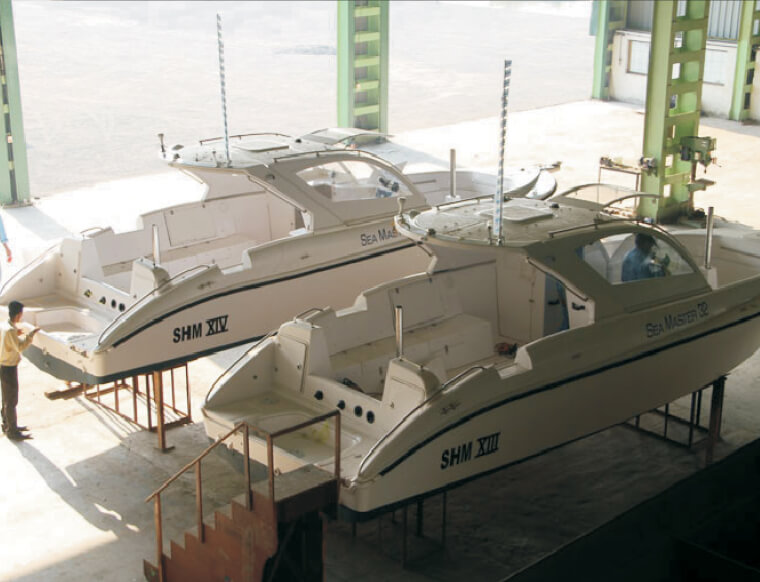
SHM Ship Care is a leading provider of FRP boat repair services. SHM Shipcare has contributed extensively towards improving and expanding FRP boat manufacturing in India. Both the Indian Navy and BSF have commissioned SHM’s FRP boats. 

SHM Ship Care offers a variety of FRP boat repair services as follows – 

  • FRP Lamination and Build-up
  • Gelcoat Repair and Rebuffing
  • Anti Fouling and Painting
  • Monsoon Dry-docking Services and Storage
  • Furniture Repairs and Carpentry Work
  • Engine, Water-jet Service, and Overhauling
  • Deck Fitting and Upholstery Work
  • Stainless Steel Fabrication
  • Electrical and Mechanical Repairs
  • Trailer/ Cradle Manufacture and Repairs
  • Design and Mould Making
  • Laboratory Test of FRP Laminate Panels
  • Preventive Maintenance Inspections and Repairs

Endnote

This beginner’s guide to boat maintenance will ensure that you are familiar with the basics of maintenance to avoid any problematic situations while ensuring the safety of the people on board. It is always a good idea to keep things in check from your end to avoid minor issues. 

You can also get your  boats regularly scheduled for maintenance and repairs at boat maintenance facilities like SHM Ship Care to ensure your boats’ efficiency, performance, and longevity.
FRP Boat Maintenance – Key Things to Note

FRP BOAT MAINTENANCE – KEY THINGS TO NOTE

Regular boat maintenance is the key factor that affects the efficiency, functioning and durability of a boat. Over the last few years, FRP boats have become much preferred to other widely used boats. Due to their versatility, durability and ability to resist corrosion, they are more affordable for prolonged use. The government of India has encouraged using FRP boats due to their environment-friendly features like less fuel consumption. 

However, before you use these boats, it is essential to know their basics and maintenance. 

What are FRP boats?

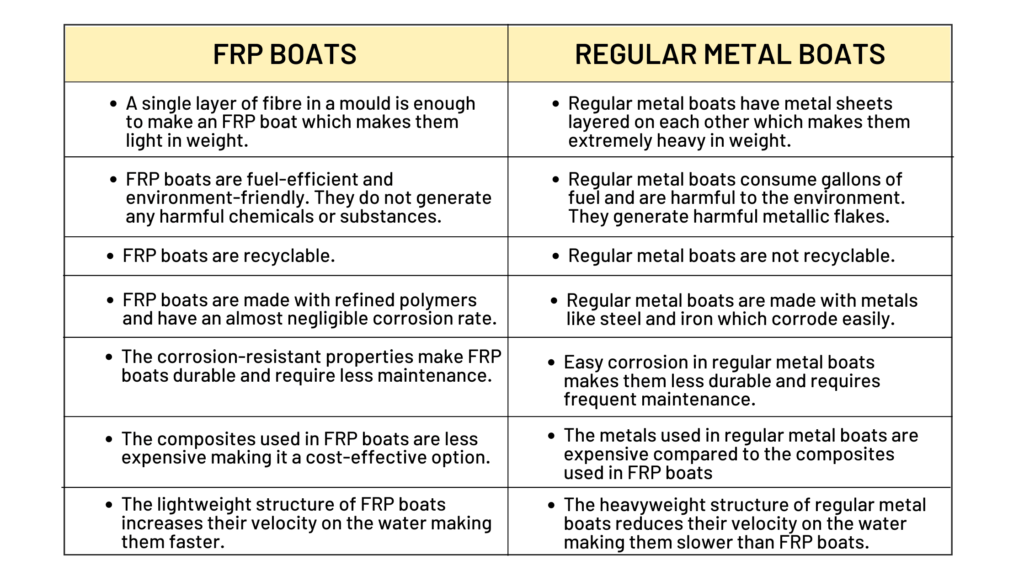
Fibre Reinforced Plastic (FRP) is an alternative material for steel and other metals in boat building. It is a composite material of a polymer matrix, toughened with fibres like glass, carbon, aramid, or basalt. 

FRP is popular due to its mechanical strength and properties like temperature resistance, corrosion, chemical resistance, and thermal insulation. FRP is also lightweight, durable, fuel-efficient and relatively cost-effective compared to other boat-building materials. It is also highly customisable and can suit a variety of requirements. 

FRP Boats vs Other Boats – What is the Difference?

Need for FRP Boat Maintenance

Even though FRP boats are low maintenance, they can only remain in good shape if appropriately maintained. FRP boats should be regularly cleaned, polished, and waxed to protect the gel coat on the surface vessels and make the hulls look brighter. Painting its surface layer can also keep its appearance and durability intact.

IMO and SOLAS standards

The IMO issued amendments in January 2020 for the maintenance of lifeboats through regular examination, operational testing, overhaul and repair, and launching appliances and release gear. These provisions aim to prevent accidents and ensure the equipment’s maintenance and safety standards.

SOLAS Amendments for Lifeboats

Requirement for Examination

The equipment requirements include lifeboats (including free-fall lifeboats), fast rescue boats, davit-launched life rafts, launching appliances, and on-load and off-load release gear for lifeboats.

Operational Testing, Repairs, and Overhauling

It is essential to carry out weekly and monthly inspections, routine maintenance, thorough annual examinations, and operational tests. You must also conduct a five-year thorough examination, overhauling, overload operation tests, and equipment repairs. All testing and examination are to be done by certified personnel of the manufacturer or authorised service provider under the direction of the ship’s senior officer.

Approved Bright Orange Colour and Designs

The lifeboats must also sport an internationally approved bright orange, with the ship’s call sign printed.

Survival Equipment Inside the Boat

It is also essential to carry survival equipment, including freshwater, compass, distress signalling equipment, food and ration in a lifeboat. The lifeboats and liferafts should accommodate at least 125% of the number of passengers and crew on board.

Authorisation by Certified Personnel

The flag administration must authorise the service providers following Sections 3 and 7 of Resolution MSC.402(96). Every authorised service provider must issue a certification for their personnel for the make and type of equipment to work on and the specific activities.

Preventive Maintenance Services

Preventative maintenance services ensure that the boat’s engine runs longer. Every manufacturer has specific recommendations regarding boat maintenance. It is advisable to take a look at those recommendations before performing maintenance.

Periodic Inspections of Propeller and Engine

Check for loose belts, cracked hoses, and corrosion on the engine and replace or repair it immediately if found. As the propeller plays a vital role in determining fuel consumption and performance, ensure that the propeller nut is tight and look for any damage that can lead to fuel burning. Grease the shaft by removing the propeller and ensure that there is nothing wrapped or stuck around it.

Oil Changing

Change the oil regularly to ensure that the mechanical parts slide smoothly and perfectly against each other. If not changed regularly, it can solidify or become acidic and cause severe damage to the internal components of the engine. Follow the manufacturer’s recommendations for an oil change and set a fixed schedule for oil changing.

Hull Fittings

Check the hull fittings for cracks, blisters, leakage, and corrosion. Ensure that the drain plugs are in place, that the valves are operational, and can be easily opened or closed. Replace or repair them immediately if required.

Belts or Hoses

Continuous exposure to vibrations, high heat, and hard knocks can loosen the belts and hoses and lead to equipment failure. Check the belts and hoses, and repair them whenever necessary to ensure optimum engine performance.

Leak checks

Always check for oil and water leaks before leaving the dock. Check the fuel lines for any cracks and soft spots. Watch out for any stains or smells of fuel around the fittings. Undetected and unsupervised leaks can lead to the failure of vital components. Ensure that these leaks are detected and repaired immediately. 

Impellers and Pumps

Inspect the impellers and pumps to detect any failure. Failure in the impeller leads to the dysfunction of the water pump. As a result, its ability to pull water reduces and the engine overheats. Ensure that the impellers never run dry and that the pumps move at a sufficient speed.

Corrosion control

Clean the boat’s engine with fresh water after operating it in salt water. The freshwater helps in removing salt residue and protects the finish. Salt deposition on the metal components of the boat or ship can lead to corrosion, especially on the lower units.

Corrective Maintenance Services

Corrective maintenance measures target the causes of the problems by implementing necessary remedies and solutions required to ensure the proper functioning of the boats. Corrective maintenance helps identify and rectify the problems. The process of corrective maintenance is time-consuming compared to preventative maintenance as it involves extensive inspection of the components by an authorised professional. 

Refurbishments

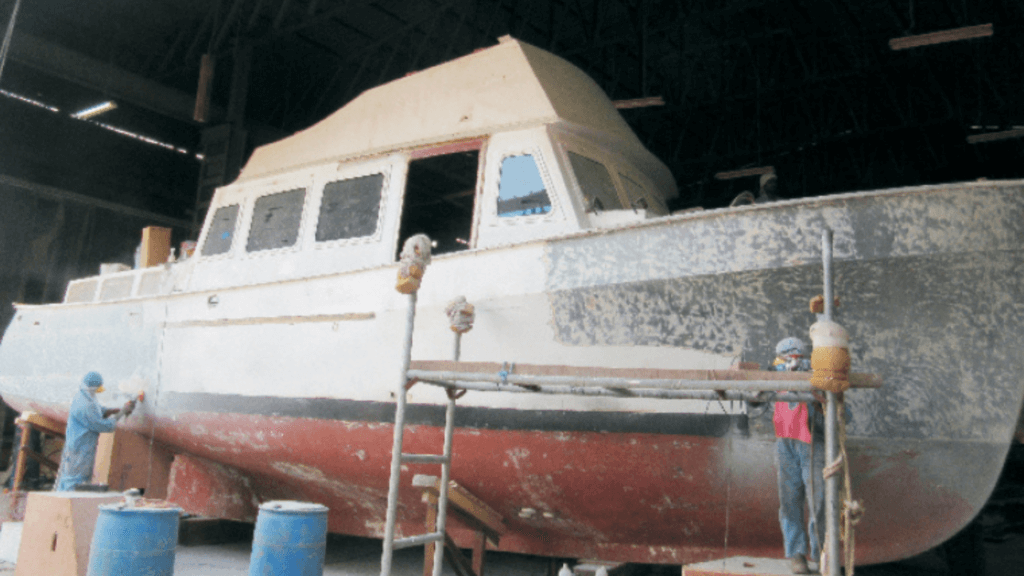
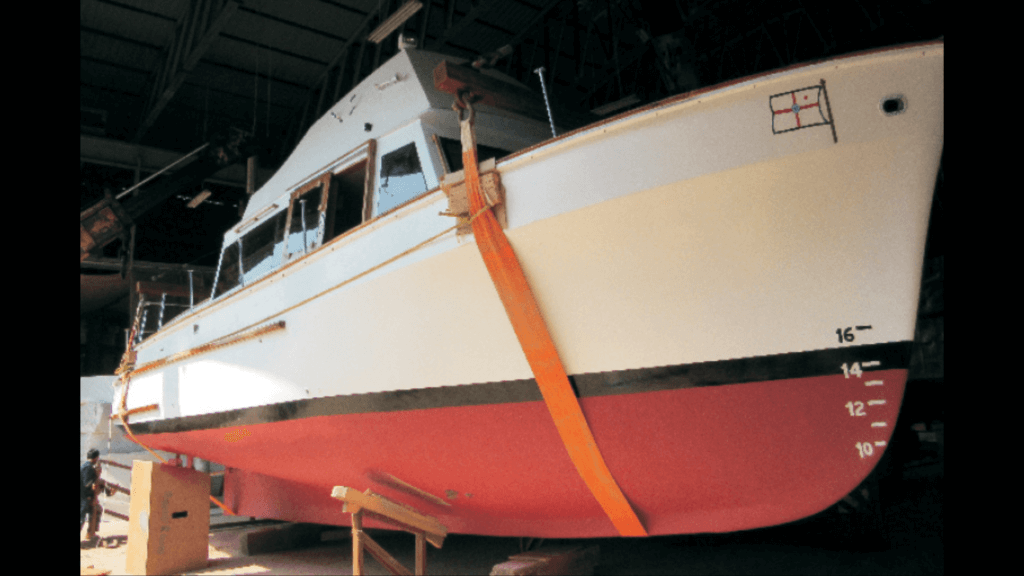
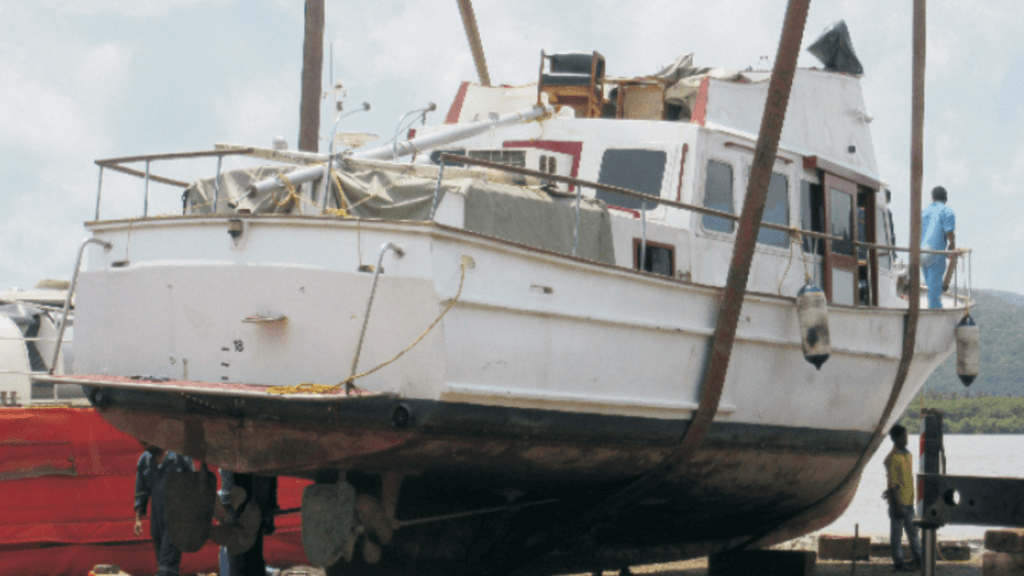
Refurbishments can make the existing vessels more efficient and cost-effective, and can improve the towing power. It also helps comply with new legislation and regulations. Recently, SHM Shipcare refurbished Taklift 7, a Davit suspended FRP rescue boat manufactured in 1977. The boat had multiple cracks and extensive damage. The boat was refurbished to its original form by performing the desired fitness tests as per the SOLAS guidelines and was then declared sea-worthy within 3 weeks.

FRP Lamination and Build-up

FRP laminates have multi-layered sheets that have a single or a two-directional resistance. They are bonded together to concrete or steel surfaces using FRP epoxy resin systems. It offers resistance to corrosion and ease of handling. Installing these laminates makes it easy to clean the build-up.

Gelcoat Repair and Rebuffing

Regular use of the boat can cause damage to the gel coat. The gel coat maintains the finish and the lustre of the vessel in good condition. Gel coat repair and rebuffing can help eliminate the scratches, oxidation, chips, minor cracks, and small patches on the surface. 

Anti-fouling and Painting

Anti-fouling paints prevent sea life, such as algae, from attaching itself to the hull, which causes the slowing down of the engine and increases fuel consumption. The paints protect the bottom of the boat. SHM also offers marine paints and accessories which include epoxy, polyurethane and thinners, underwater and anti-fouling coats, airless spray machines and sprays and much more. 

Monsoon Dry Docking Services and Storage

Dry docking of boats is beneficial in saving the boat hull and drives, especially during monsoons. It also gives easier access to boarding, fueling, and maintenance. Dry docking helps avoid scrapes and bruises caused by excessive bouncing when tied to a wet dock.

Furniture Repair and Carpentry Work

The interiors and exteriors of a boat must be able to withstand severe weather conditions such as harsh winds, humidity, and saltwater. Furniture repair and carpentry work in boats need a skilled marine carpenter who can use the proper techniques and tools to give the desired result. Hiring a marine carpenter who can offer sturdy and resilient repairs is essential. 

The Taklift 7 showcased extensive damage including multiple cracks and abrasion making it unfit for usage. The services rendered included OEMs, painting, boat metrology and overall maintenance.

Engine, Water Jet Service, and Overhauling

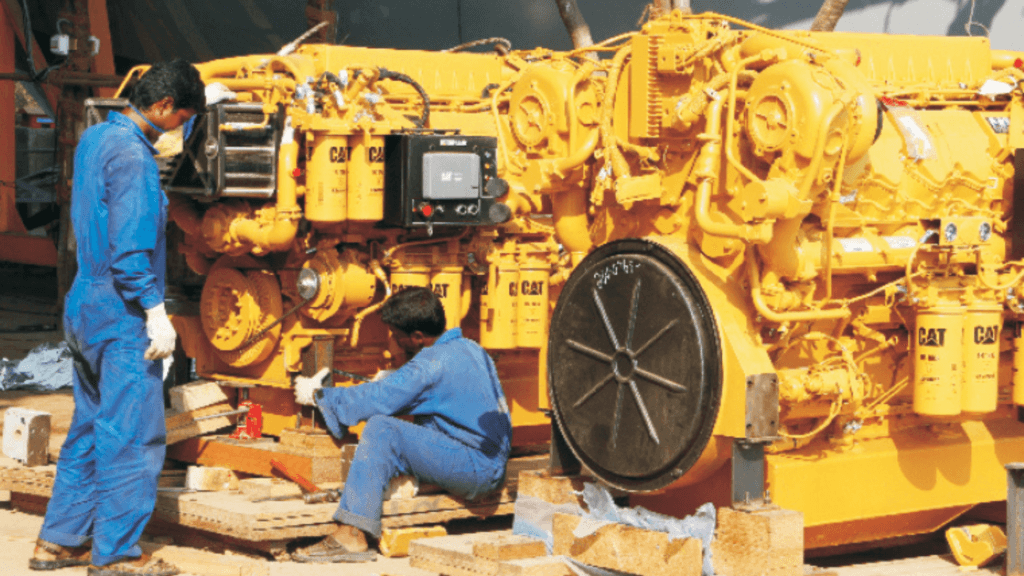
It requires trained engineers to carry out the servicing of engines and water jets. The machines must be handled with ease during such overhauls. It includes oil changes, filter renewals, essential engine health checkups, repairing impellers, hydraulic actuator adjustments, and much more.

Deck Fitting and Upholstery Work

These services include the repair work and the maintenance of the basic design and construction of the boat. It requires a skilled and experienced professional who ensures the fittings and repairs are done correctly and efficiently without causing any new damage.

Stainless Steel Fabrication

Marine-grade stainless steel offers the highest level of corrosion resistance and toughness. It is resistant to the effects of salt water and other harsh elements, which cause rusting and corrosion.

Electrical and Mechanical Repairs

Electrical repairs include checking wire and cable fittings, repairing blown fuses, and checking motors and blowers. Mechanical repairs include installation, maintenance, and up-gradation of motor work and equipment fixes. 

Trailer/Cradle Manufacture and Repairs

Trailers and cradles are vital in towing, storing, or upholding boats. They need to be sturdy to ensure the proper functioning and hence require professional intervention for manufacturing, maintenance and repairing. 

Design and Mould Making

The design and mouldings play a vital role in boat building. It requires skilled personnel, high-quality materials, and sufficient labour to create designs for the interiors and the systems based on the requirements. 

Lab Tests of FRP Laminate Panels

The FRP laminate panel can get damaged after long-term and extensive usage. Laboratory testing helps identify the materials’ defects or the panels’ manufacturing. These defects can further get repaired to maintain the quality.

Endnote

There is a substantial growth in the use and manufacturing of FRP boats. They are cost-effective, fuel-efficient, and low maintenance, causing their advantages to outweigh the disadvantages. SHM Shipcare specialises in repairing, maintaining, and dry-docking FRP boats, tanks, storage cabinets, and hatches. 

As mentioned earlier, SHM Shipcare can provide all of the maintenance services with the highest quality of materials and expertise. 

Get in touch or send an enquiry to know more about our FRP boat repair and dry-docking services.